anime book reading is a phenomenon that has gained significant traction among enthusiasts worldwide, blending the vibrant visual storytelling of anime with the immersive depth of literature. This intersection invites fans not only to enjoy animated series and movies but also to dive deeper into the worlds and themes that inspire their favorite shows. By exploring anime alongside traditional and modern literature, readers can enrich their understanding of narrative structures, character development, and thematic complexity, creating a multi-layered appreciation for storytelling.
This comprehensive guide aims to explore the vast relationship between anime and literature, illustrating how visual storytelling can serve as a gateway to literary discovery and critical thinking. From curated reading lists inspired by beloved series to analytical approaches that deepen our comprehension of character archetypes and themes, the journey into anime book reading offers endless possibilities. Whether you're a seasoned reader or an anime novice, this article will show you how to harness the power of anime to expand your literary horizons and foster a richer cultural appreciation.
Anime and Literature - Exploring the Connection Between Visuals and Reading
Anime and literature may seem worlds apart, but beneath their differences lie shared storytelling techniques and thematic depth that bridge these mediums. Both leverage narrative arcs, character development, symbolism, and emotional engagement to captivate audiences. The visual aspect of anime often complements the storytelling in literature, offering multisensory experiences that enhance understanding and emotional resonance. For example, the vibrant color palettes and dynamic animation sequences reflect mood and atmosphere just as descriptive language does in novels, serving as a bridge that deepens the viewer's interpretation of complex themes.
In examining the connection between anime and literature, one cannot ignore how anime adaptation often brings literary works to a new audience. Many anime series are inspired by manga, light novels, or even classical literature. This visual adaptation can inspire viewers to read the original material, fostering a deeper appreciation for storytelling craft. Conversely, literature provides a foundation for anime creators, offering rich characters and themes that can be amplified visually. This symbiotic relationship highlights how visual arts and written texts can mutually elevate storytelling, making anime book reading an enriching experience that engages multiple senses and intellectual faculties simultaneously.
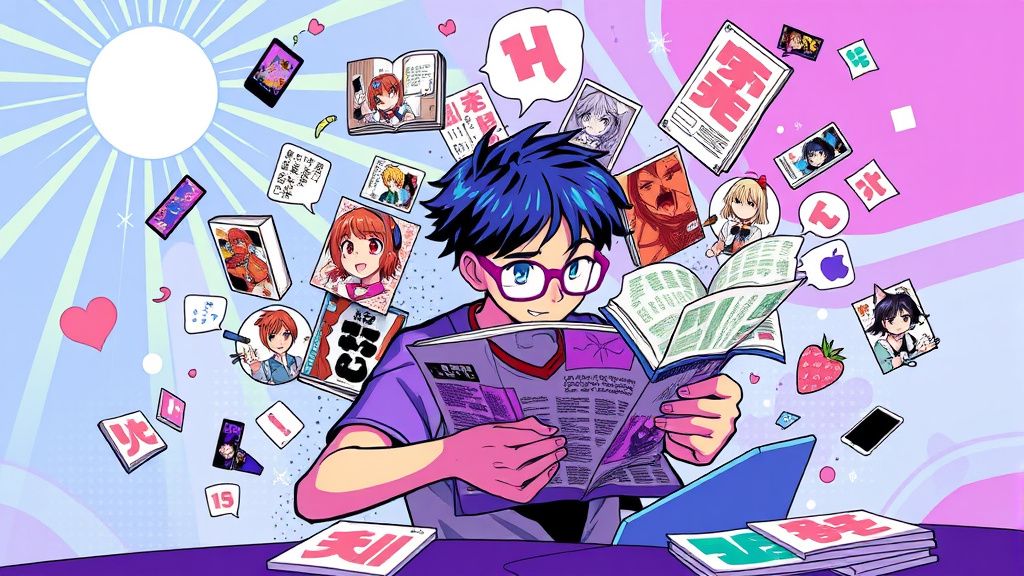 Hình minh họa: anime book reading – japanese manga online read
Beyond the Screen - How Anime Can Inspire a Love of Reading and Literature
Anime's colorful and engaging presentation can ignite a passion for literature in unexpected ways. For many viewers, anime serves as an introduction to complex moral dilemmas, philosophical questions, and intricate character dynamics that resonate deeply. These visual narratives can act as catalysts, prompting viewers to seek out similar themes through traditional texts—manga, novels, or poetry—transforming passive consumption into active exploration. Engaging with anime's symbolic visuals and layered storytelling can motivate readers to discover related literary works, thus fostering a broader appreciation for storytelling as an art form.
Moreover, anime often addresses universal themes such as love, loss, identity, and perseverance, which are also central to great literature. The emotional impact of a well-crafted series can leave viewers eager to explore the written works that inspired or relate to these stories. For instance, fans of Attack on Titan might delve into dystopian classics like George Orwell's 1984, while admirers of Your Lie in April may find themselves exploring poetry and music literature. This cross-pollination between anime and literature cultivates a lifelong love of reading, enriching viewers' cultural literacy and empathy through stories that challenge, uplift, and enlighten.
Anime-Inspired Reading Lists - Books That Capture the Spirit of Your Favorite Shows
Creating reading lists inspired by anime allows fans to extend their engagement beyond the screen. Such lists feature works that encapsulate the spirit, themes, or aesthetic sensibilities of popular series. For example, fans of Neon Genesis Evangelion might explore philosophical texts or post-apocalyptic novels that delve into existentialism and humanity’s place in the universe. Similarly, viewers of My Neighbor Totoro could enjoy children’s literature and magical realism that evoke a similarly whimsical sense of wonder.
Curating these genres fosters a multidimensional understanding of storytelling, where visual and literary narratives intersect. It provides a path to discover lesser-known authors and niche genres aligned with one's anime interests. This approach not only deepens enjoyment but also broadens literary horizons. Such reading lists serve as excellent starting points for fans eager to explore new genres such as science fiction, fantasy, or historical fiction, all while maintaining the thematic core or stylistic elements they cherish in anime. The result is a rich tapestry of media that continuously inspires and educates, making anime book reading a vibrant voyage through multiple storytelling worlds.
From Manga to Novels - Bridging the Gap Between Anime and Traditional Literature
Many anime originate from manga, light novels, or graphic novels, creating a natural bridge between visual storytelling and traditional prose. Manga's serial format and visual style approach the same storytelling principles that underpin novels—character development, plot progression, and thematic exploration—making it accessible for those transitioning from anime to prose-based books. Readers who enjoy manga’s expressive art and fast-paced narrative might find themselves intrigued by novels that expand on the universe or deepen character backstories, providing a richer experience.
Transitioning from anime or manga to novels often enhances appreciation for descriptive language, literary devices, and narrative depth. For instance, fans of One Piece might explore Eiichiro Oda's source material or related adventure novels. Conversely, reading classic literature inspired by anime themes, such as The Count of Monte Cristo for fans of revenge stories, can sharpen analytical skills and understanding of literature's timeless motifs. This bridging of formats fosters a comprehensive literacy in storytelling, encouraging fans to analyze how visual and textual elements work together or separately, ultimately enriching their overall viewing and reading experience.
Character Archetypes and Literary Themes - Analyzing Similarities in Anime and Books
One of the most compelling aspects of both anime and literature is the portrayal of archetypal characters and universal themes. Anime often employs familiar archetypes—heroes, antiheroes, mentors, and villains—that mirror those found in classical and modern literature. Analyzing these archetypes reveals the universal language of storytelling, demonstrating how characters embody traits and struggles that resonate across cultures and genres. For instance, a character like Shinji Ikari from Neon Genesis Evangelion exemplifies the archetype of the reluctant hero, grappling with existential doubts similarly explored in Kafka's The Metamorphosis or Dostoevsky's The Brothers Karamazov.
Beyond archetypes, anime frequently tackles themes such as love, revenge, identity, and morality—topics deeply embedded in literary tradition. Comparing these themes across media allows for richer interpretations and insights. For example, examining the concept of sacrifice in Naruto alongside Shakespeare's Hamlet or Tolstoy’s Anna Karenina can deepen understanding of human motivations and societal pressures. This intersection not only sharpens critical thinking but also enhances appreciation for the nuanced ways stories reflect the complexities of human nature and societal constructs, making anime book reading an intellectually rewarding pursuit.
Reading Between the Frames - Developing Critical Thinking Skills Through Anime Analysis and Book Discussion
Engaging actively with anime by analyzing storylines, characters, and themes develops vital critical thinking skills. Discussing plot mechanisms, symbolism, and character arcs encourages viewers to question motives, recognize underlying messages, and interpret visual cues—skills directly transferable to reading complex literature. When viewers analyze an anime, they learn to identify narrative devices and thematic layers, fostering an analytical mindset that enriches their comprehension of written texts.
Furthermore, participating in book discussions or anime critique communities creates an environment of shared insights and diverse perspectives. This exchange promotes analytical acuity, cultural awareness, and empathy, as members interpret stories through different lenses. For instance, comparing interpretations of Steins;Gate and its themes of time travel in both anime and the original visual novel or related novels sharpens interpretive skills. Ultimately, this iterative process of analysis and discussion transforms passive viewers into active thinkers who appreciate stories not just for their entertainment value but for their intellectual and emotional complexity.
The Power of Visual Storytelling - How Anime Can Enhance Literary Appreciation
Anime excels in visual storytelling—an art form that uses imagery, movement, sound, and color to evoke emotion and convey complex narratives. This sensory engagement can deepen one’s appreciation for literary techniques such as symbolism, mood, and tone, often serving as visual counterparts to literary devices. For example, the use of color in anime can symbolize emotional states, just as descriptive language does in novels, creating a shared language of storytelling across mediums.
Watching anime with a critical eye often reveals how visual elements reinforce thematic content—such as the stark color contrasts in Death Note emphasizing moral ambiguity. This awareness of visual narrative techniques can translate into a heightened sensitivity to descriptive and figurative language in literature. It encourages readers to become more attentive to how authors manipulate language to create vivid imagery and emotional resonance. In this way, anime not only entertains but also functions as an educational tool for cultivating literary appreciation, fostering a deep connection between the visual and verbal arts.
Expanding Horizons - Discovering New Authors and Genres Through Anime Recommendations
Anime can serve as an entry point to explore a wide range of authors and literary genres that share thematic or stylistic connections. For example, fans of Fullmetal Alchemist might be inspired to delve into philosophical works or dystopian literature that explore themes of sacrifice and morality, such as Aldous Huxley's Brave New World. Similarly, viewers enchanted by the fantastical worlds of Made in Abyss may seek out pioneering fantasy novels like Ursula K. Le Guin’s works or J.R.R. Tolkien’s classics.
This genre-based exploration broadens literary horizons and exposes fans to diverse cultural perspectives and narrative styles. Recommendations from anime can direct readers toward international authors, lesser-known genres, or historical periods they might not have explored otherwise. Combining anime insights with literary discovery encourages a lifelong journey of learning, empathy, and cultural exchange. As such, anime reading lists and recommendations become invaluable tools for cultivating curiosity and expanding one's literary portfolio, making every anime viewing experience an invitation to discover the vast and rich landscape of global literature.
Anime Clubs and Book Discussions - Fostering a Community of Readers and Enthusiasts
Creating communities around anime and literature can significantly enhance the appreciation and understanding of both mediums. Anime clubs and book discussion groups foster environments where enthusiasts share insights, debate themes, and explore connections between visual and written storytelling. These gatherings help normalize critical engagement with stories, encouraging members to analyze character motivations, plot complexity, and thematic depth collectively, which enriches individual perspectives.
Additionally, such communities often host themed events, author talks, or collaborative projects that bridge anime and literature, fostering cultural literacy and appreciation for different storytelling traditions. For example, a club might host a discussion comparing Cowboy Bebop’s philosophical questions with a related novel like Philip K. Dick’s Do Androids Dream of Electric Sheep? This shared exploration promotes a sense of camaraderie and intellectual stimulation, turning casual fans into passionate advocates for both anime and literature. Engaging in community discussions transforms the solitary act of reading or watching into collaborative learning and cultural exchange, making anime book reading a communal journey of discovery and understanding.
Beyond Entertainment - Using Anime as a Gateway to Explore Complex Literary Ideas
Anime offers more than mere entertainment; it can serve as an accessible entry point into complex literary ideas and philosophical inquiries. Many series tackle profound topics—existence, morality, identity, and societal structures—that resonate with classic and contemporary literary themes. For instance, Ghost in the Shell raises questions about consciousness and artificial intelligence, parallel to discussions in works by Philip K. Dick and Isaac Asimov. Such narratives can inspire viewers to critically examine these concepts through the lens of traditional philosophy or literature.
Utilizing anime as a gateway to explore this depth encourages critical thinking and intellectual curiosity. Readers can then delve into foundational texts, analyze different worldviews, and reflect on societal issues highlighted by anime stories. This approach relies on the premise that visual storytelling invites curiosity and reduces barriers to complex ideas, providing a comfortable pathway toward engaging with significant literary, philosophical, and ethical debates. Ultimately, anime opens doors to understanding the human condition through engaging stories, fostering a lifelong pursuit of knowledge and cultural awareness.
Conclusion
Anime book reading represents a dynamic and enriching intersection of visual and literary storytelling that broadens cultural literacy, critical thinking, and emotional understanding. By exploring the rich connections between anime and literature—from analyzing character archetypes and thematic motifs to creating inspired reading lists—fans can deepen their appreciation for storytelling in all its forms. Engaging actively through discussions, community involvement, and cross-medium exploration transforms passive entertainment into an intellectual pursuit that nurtures curiosity and empathy. Whether discovering new authors or unraveling complex ideas, anime provides a powerful gateway to the vast and diverse world of literature, ensuring that the love of stories continues to evolve beyond the screen into the pages of books.